
A man in his 30s could have two beers and feel steady.
The same man at 70 might finish one and feel it in his legs.
That shift isn’t random. It doesn’t come down to tolerance or habit.
It’s physical. It builds slowly over time, then shows up all at once.
And most people don’t notice it until it matters.
Especially when driving is involved.
A Simple Truth Most People Miss
Getting older doesn’t just change how you feel after drinking.
It changes what alcohol does inside your body.
After 65, many adults reach a higher blood alcohol level (BAC) than they did when they were younger—even if they drink less.
That sounds backward at first.
But it comes down to how the body handles alcohol.
With age, the body holds less water and more fat. Alcohol spreads through body water. So when there’s less of it, the alcohol becomes more concentrated in the bloodstream.
At the same time, the body slows down. The liver still processes alcohol, but not as quickly. That drink stays in your system longer than it used to.
Put those together and you get a simple result:
same drink, stronger effect
What’s Actually Changing in the Body
You don’t need a medical background to understand this. A few shifts explain most of it.
- Less body water
Younger bodies carry more water. Older bodies don’t.
Alcohol has less space to spread out, so it becomes more concentrated.
- Slower metabolism
The liver breaks down alcohol at a steady rate when you’re younger.
With age, that process slows. The alcohol lingers longer in your blood.
- Lower muscle mass
Muscle helps absorb alcohol.
As muscle mass drops with age, more alcohol stays in circulation.
- Enzyme changes
The enzymes that help process alcohol don’t work as efficiently.
This adds to the slower breakdown.
None of these changes feel dramatic on their own.
But together, they shift how your body reacts to every drink.
It Doesn’t Always Feel Stronger — But It Is
Here’s where it gets tricky.
Some older adults don’t feel much different after drinking.
They may even feel like they handle alcohol better than before.
But the body tells a different story.
BAC can still be higher, even when the feeling isn’t obvious.
That gap between how you feel and what’s happening inside your body is where problems start.
You might feel steady, but your reaction time has slowed.
You might feel alert, but your focus has narrowed.
And those are the exact things you rely on when driving.
A Quick Real-Life Example
Picture this.
Someone in their early 70s has a glass of wine at dinner.
They feel relaxed. Nothing unusual. They’ve done this for years.
They get up, grab their keys, and drive home.
What they don’t notice:
- Their reaction time is slightly delayed.
- Their depth perception isn’t as sharp.
- Their attention shifts more slowly between things.
None of that feels dramatic.
But on the road, even small delays matter.
A sudden stop. A pedestrian. A quick turn.
That’s where the difference shows up.
Why Driving Changes the Risk Completely

Driving depends on timing. Small, fast decisions made over and over.
Alcohol affects that timing.
After 65, even small amounts can:
- Affect how clearly you see distance and movement.
- Make it harder to track multiple things at once.
- Reduce judgment in split-second decisions.
These changes are already happening with age, and alcohol makes them worse, especially when it comes to reaction and focus.
These changes are already happening with age.
Alcohol adds another layer on top.
So it’s not just “drinking and driving.”
It’s stacking two risk factors together.
And because BAC can be higher than expected, the risk builds faster.
The Role of Medication (Often Overlooked)
There’s another factor that changes everything.
Medication.
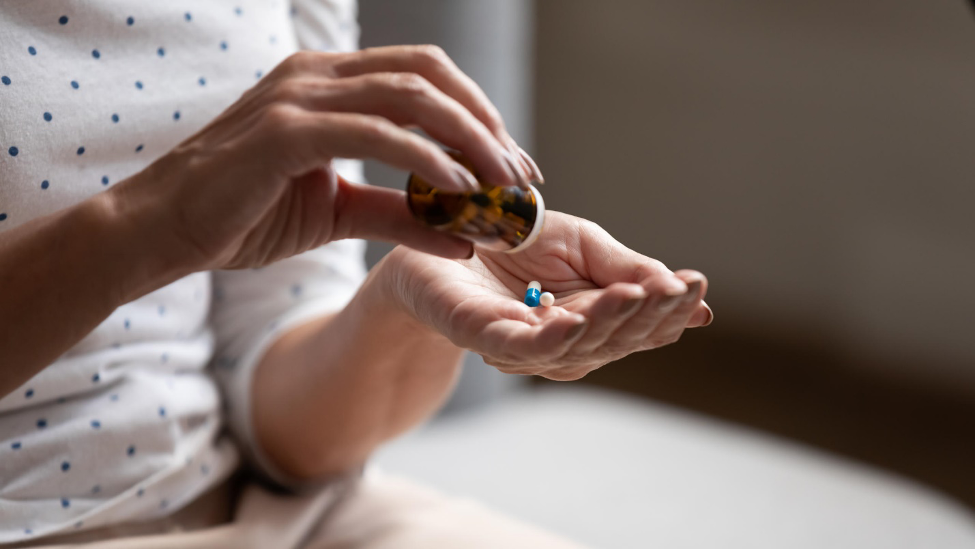
Many adults over 65 take prescriptions daily.
Alcohol can interact with those in ways that aren’t always obvious.
Some combinations increase:
- Drowsiness.
- Dizziness.
- Confusion.
- Slowed thinking.
Even common medications can amplify alcohol’s effects.
So now you’re not just dealing with alcohol alone.
You’re dealing with alcohol plus another substance affecting your system.
That can turn a small drink into something much stronger.
Why “I Feel Fine” Isn’t Reliable Anymore
People often rely on how they feel to decide if they’re okay to drive.
That worked better when they were younger.
It doesn’t work as well now.
Because:
- BAC may be higher than expected.
- Effects may show up later, not right away.
- Impairment can be subtle, not obvious.
You can feel fine and still be impaired.
That’s the part most people don’t like to hear.
What “Drinking Less” Really Means Now
This isn’t about quitting completely.
It’s about adjusting to how your body works now.
One drink today may have the same effect as two drinks years ago.
So drinking “a little less” might not be enough.
It often means rethinking the pace and the limit entirely.
A more realistic approach:
- Drink slower.
- Space drinks out.
- Eat before and during drinking.
- Pay attention to how long effects last, not just how strong they feel.
And most important:
Separate drinking from driving completely.
The Driving Line Is Clear
There’s a point where this stops being complicated.
If you’ve had a drink, don’t drive.
Not “just one.”
Not “I’ve done this before.”
Not “I feel okay.”
Because after 65, one drink doesn’t behave the way it used to.
And the cost of getting it wrong is higher.
Injuries from accidents tend to be more serious with age. Recovery takes longer. The margin for error gets smaller.
So the safest decision is also the simplest one.
A Better Way to Handle It
This doesn’t mean giving anything up completely.
It just means planning ahead.
- Have a ride arranged.
- Use a taxi or ride service.
- Keep drinking occasions separate from driving plans.
These aren’t big changes.
But they remove the guesswork.
Social Habits and Hidden Pressure
One thing that doesn’t get talked about much is routine.
For many adults, drinking is tied to habits built over decades. A drink at dinner. A glass with friends. Something to unwind at the end of the day.
Those habits don’t change just because the body does.
There can also be quiet pressure in social settings. No one wants to feel like the odd one out. So people stick to what they’ve always done, even if it affects them differently now.
The risk isn’t just the alcohol itself. It’s continuing old patterns without adjusting them.
Sometimes the hardest part isn’t cutting back.
It’s admitting the body no longer responds the same way.
Small Misjudgments Add Up Fast
Most serious situations don’t come from one big mistake.
They come from a series of small ones.
You underestimate how strong the drink is.
You assume you’ve waited long enough.
You trust that you feel okay.
Each decision seems minor on its own.
But together, they build into something bigger.
This is especially true with driving. The difference between safe and unsafe isn’t always obvious in the moment.
That’s why relying on judgment alone becomes risky, especially with alcohol metabolism changes with aging.

Not because people are careless, but because the signs are easier to miss.
Final Thought
This isn’t about fear or strict rules.
It’s about understanding what changed.
Your body processes alcohol differently now. Quietly. Gradually. Without much warning.
Alcohol didn’t change.
You did.
Once you see that clearly, the decisions get easier.
Drink with awareness.
Take your time.
And when it comes to driving, don’t guess.
Author – Newton Mathews